Variations
If guava leaves are unavailable, you can substitute with fresh tea tree leaf extract or a diluted chamomile tea infusion. Both have anti‑inflammatory and antimicrobial properties, though the exact dosage may differ. For tea tree leaves, use two leaves and follow the same simmering method; for chamomile, steep two teaspoons of dried flowers in hot water for 10 minutes, then cool.
For a soothing blend, add a pinch (about ¼ teaspoon) of natural honey to the cooled infusion. Honey’s natural antibacterial qualities can complement the guava leaf’s action, but ensure the mixture remains thin enough for eye application; a watery consistency is essential.
If you experience severe dryness, incorporate a drop of sterile saline solution into each application to maintain moisture without diluting the active compounds excessively.
How to store it
Store any leftover infusion in a sterilized glass jar with a tight‑fitting lid. Keep the jar in the refrigerator, where the cooler temperature slows bacterial growth and preserves the remedy for up to three days. Before each use, allow the liquid to reach room temperature – you can place the jar in a bowl of warm water for a few minutes – and verify that it is still clear and free of any sediment.
If the liquid develops an off‑odor, cloudiness, or visible mold, discard it immediately. The eye area is extremely sensitive, and any sign of spoilage could cause more harm than good.
Questions people ask
Can I use dried guava leaves? Dried leaves lose a portion of their volatile oils, reducing the remedy’s potency. If fresh leaves are unavailable, you may rehydrate dried leaves by soaking them in warm water for 10 minutes before simmering, but expect a slightly weaker effect.
Is this remedy safe for children? Yes, provided the infusion is properly cooled and applied with a sterile cotton ball. Children’s eyes are more delicate, so use a smaller amount (one drop) and monitor for any irritation.
What if my eye is still red after 24 hours? A mild lingering redness can be normal as the eye continues to heal. Continue the twice‑daily application for another 24‑48 hours. If pain persists, swelling increases, or discharge appears, seek professional medical care.
Can I combine this with prescription eye drops? It is best to wait at least 15 minutes between the herbal remedy and any prescribed medication to avoid dilution or interaction. Consult your doctor if you are unsure.
How often can I repeat the treatment? The infusion can be prepared anew each week if needed. Reusing the same batch beyond three days is not recommended due to potential bacterial growth.
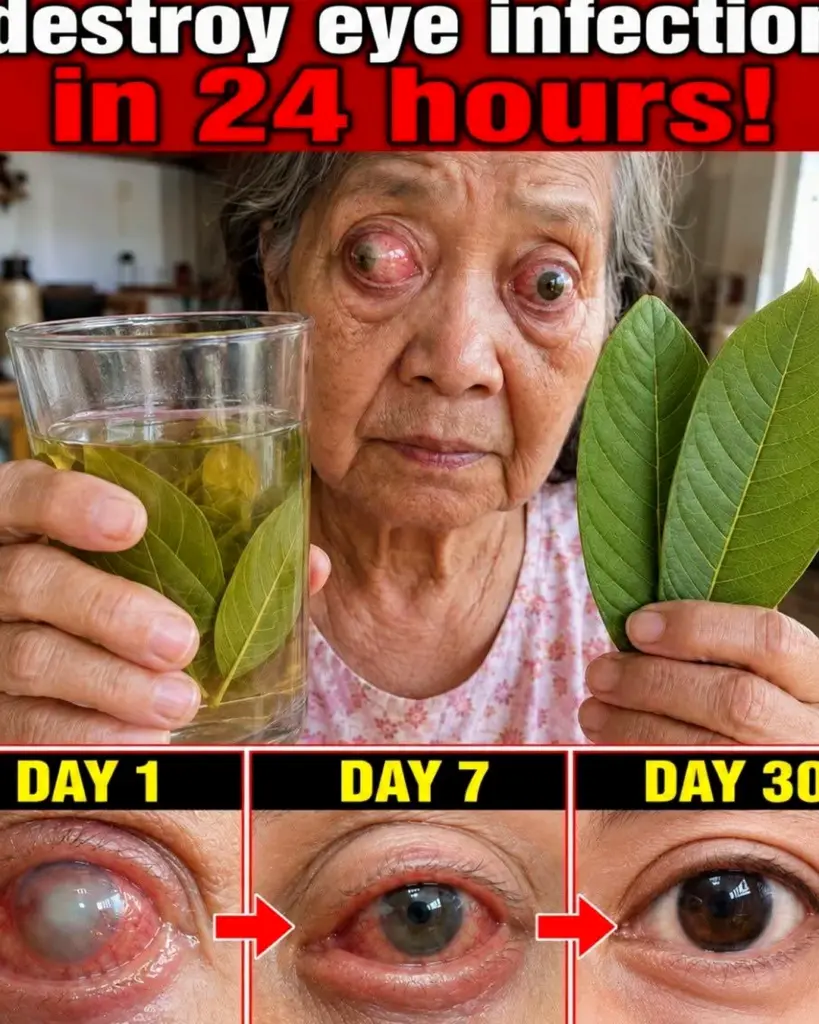
By following these steps and paying attention to the cues described, you can harness the natural power of guava leaves to soothe eye infections quickly and safely. This simple, cost‑effective remedy offers a gentle alternative to expensive pharmacy drops, helping you restore comfort and clear vision with ingredients you can find in your garden or local market.