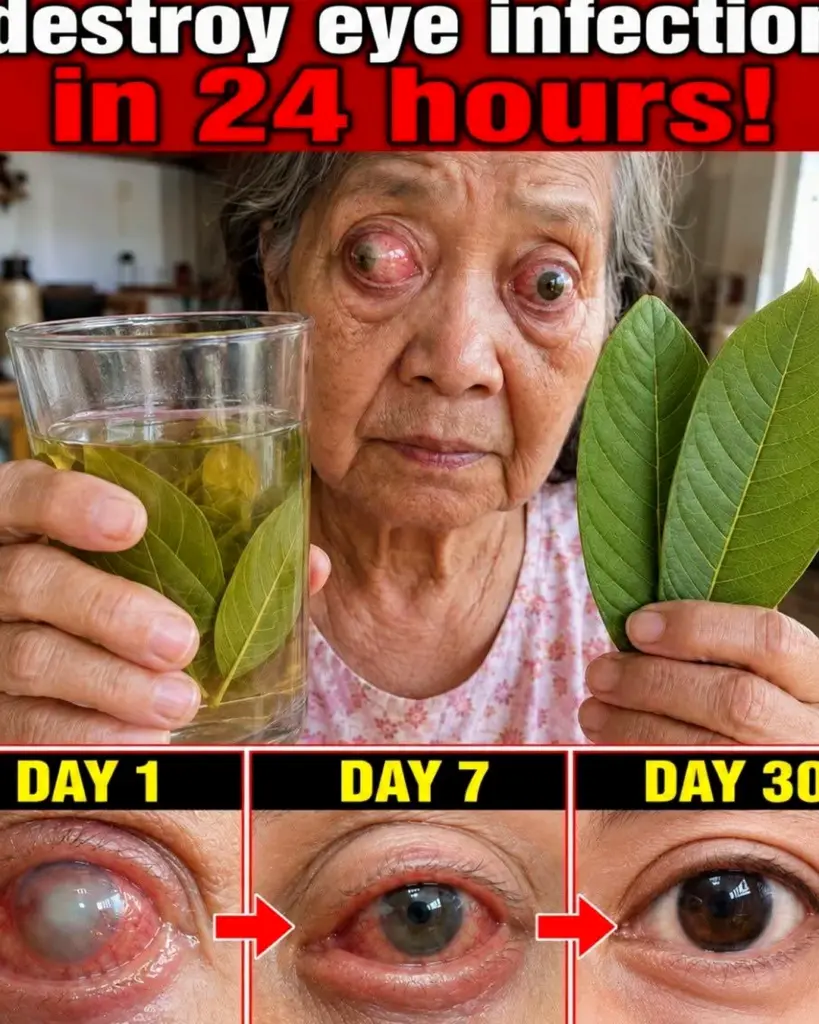
Tips for the best result
Choosing the right guava leaves is crucial. Look for young, bright green leaves that are free of spots or insect damage. Younger leaves contain higher concentrations of flavonoids and essential oils, which are the active agents that fight infection. If you have access to a garden, snap the leaves early in the morning after the dew has evaporated; this is when the plant’s natural defenses are strongest.
Water temperature matters. A gentle simmer extracts the beneficial compounds without breaking down delicate enzymes. Boiling the leaves aggressively can cause the active ingredients to become denatured, reducing the remedy’s efficacy. Keep the heat low and watch for the first steady stream of bubbles – that’s your cue to maintain a simmer rather than a rapid boil.
When cooling the infusion, avoid refrigeration until after you have confirmed the temperature is safe for eye contact. Rapid cooling can cause the liquid to become cloudy, a sign that proteins have precipitated out. A slow, ambient cool down preserves clarity and ensures the remedy remains gentle on the delicate eye tissues.
Application technique can affect comfort. Use a sterile cotton ball moistened with the infusion, and gently dab the lower eyelid, allowing the liquid to flow upward. This method reduces the risk of the liquid entering the tear duct too quickly, which can cause stinging. If you prefer a dropper, make sure the tip is sterile – you can wipe it with an alcohol swab before each use.
Common mistakes
One frequent error is using too many leaves. While three leaves are sufficient for a small batch, adding extra leaves does not increase potency proportionally and can make the infusion overly strong, leading to irritation. Stick to the prescribed three leaves for optimal balance.
Another mistake is applying the remedy while it is still hot. Hot liquid can burn the delicate eye surface, worsening symptoms instead of relieving them. Always check the temperature on your wrist before each application; the liquid should feel warm, not hot.
Skipping the straining step is also problematic. Residual leaf fragments can scratch the cornea or become a breeding ground for bacteria. Use a fine mesh or cheesecloth to ensure the final liquid is completely clear.
Finally, neglecting hygiene can introduce new infections. Always wash your hands thoroughly before handling the leaves, the pot, or the eye area. Use a fresh cotton ball or sterilized dropper for each application to avoid cross‑contamination.