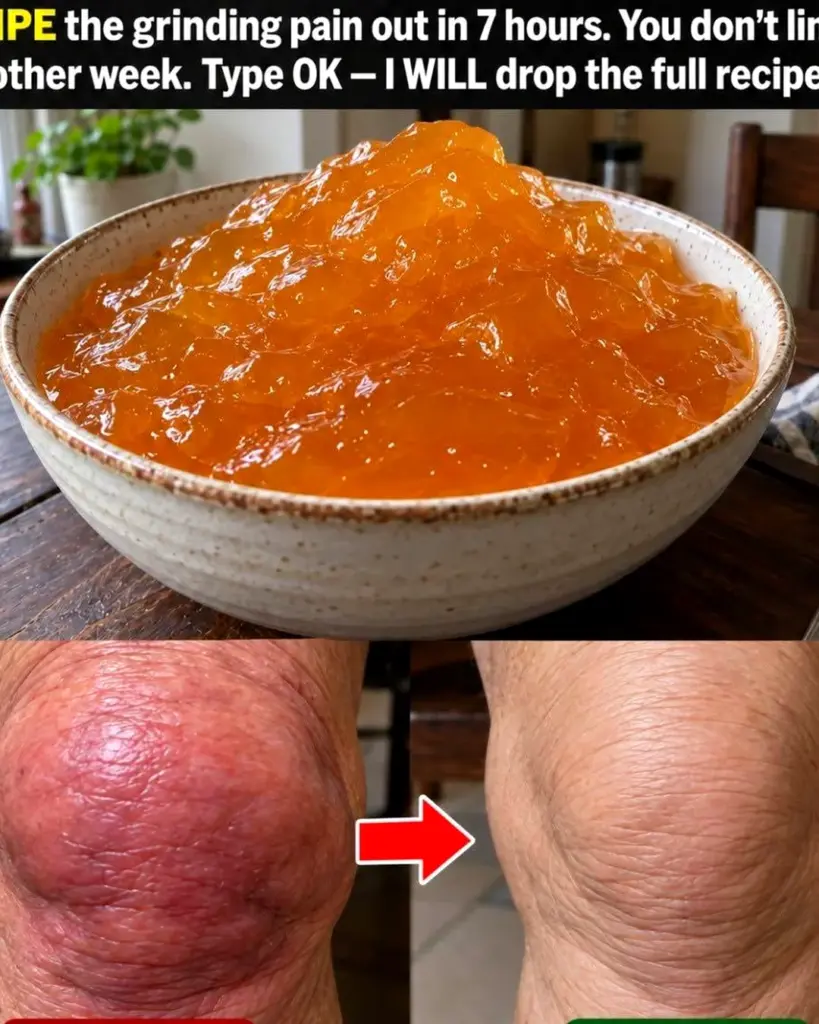
Potential Risks and Precautions
Even wholesome foods can pose risks for certain individuals, so it’s important to be aware of possible side effects. If the food is high in natural sugars or certain acids, people with diabetes or sensitive stomachs should monitor their intake to avoid spikes in blood glucose or digestive upset. Those with allergies to related food groups must verify that the ingredient does not trigger an allergic reaction, which could range from mild itching to more severe symptoms.
Because the source emphasizes rapid cartilage regeneration, some may wonder if excessive consumption could lead to an imbalance in joint tissue turnover. While no evidence is presented, moderation is prudent; using the food as part of a balanced diet reduces the chance of overloading any single nutrient pathway.
Pregnant or breastfeeding individuals should consult a healthcare provider before making the food a daily staple, especially if the food contains compounds that could affect hormone levels. Likewise, individuals on blood‑thinning medication should check with their doctor, as certain natural foods can interfere with clotting factors.
Practical Tips for Consistent Use
Set a Daily Reminder: Place a sticky note on your fridge or set an alarm on your phone at a convenient mealtime. This cue helps you remember to include the food, turning it into a habit rather than an occasional choice.
Prepare in Advance: If the food can be pre‑chopped, grated, or portioned, do so on a weekend day. Store the portions in airtight containers so you can grab them quickly for a smoothie, salad, or snack without extra effort.
Track Your Experience: Keep a simple journal noting how your knees feel each day after you start the routine. Recording pain levels, range of motion, and any other joint sensations can help you see patterns and stay motivated if you notice improvement.
Combine with Joint‑Friendly Lifestyle: Pair the food’s intake with low‑impact exercises like walking, swimming, or cycling. Gentle movement promotes cartilage health by encouraging synovial fluid circulation, enhancing the food’s benefits.
Rotate with Complementary Foods: While the focus is on this single ingredient, you can also include other joint‑supporting foods—such as fatty fish, nuts, or leafy greens—to broaden your nutrient intake without diluting the primary effect.
Closing: Start Supporting Your Knees Today
Integrating this everyday food into your routine offers a promising, low‑cost strategy to address knee cartilage wear, especially for those over 70 who often face stubborn joint pain. By understanding how the food works, using simple preparation ideas, and staying mindful of risks, you can begin a consistent practice that may reduce pain, improve mobility, and enhance overall joint health. Take the first step now—add the food to a meal, note the difference, and give your knees the support they deserve.