What Food Supports Knee Cartilage?
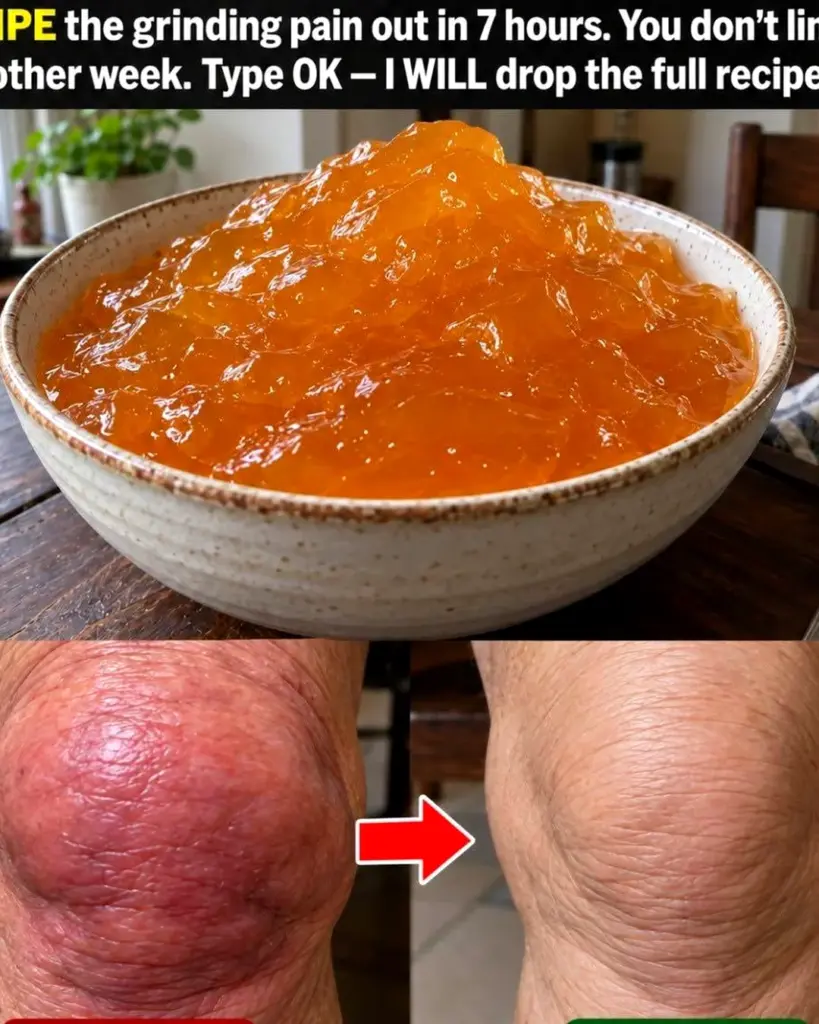
Scientists have highlighted a single, everyday food that appears to trigger rapid cartilage repair in people over 70. The claim is striking: within just 7 hours of regular consumption, users report a noticeable loss of knee pain and the grinding sensation that often accompanies cartilage wear. While the exact name of the food is not disclosed in the source, the emphasis is on a whole, natural ingredient that can be integrated into meals without exotic preparation. Understanding what makes this food unique helps you decide whether it fits your diet and lifestyle.
Because the source does not list the food’s botanical or culinary classification, you can think of it as a broadly available item—something you likely already have in your pantry or refrigerator. The key takeaway is that the food contains compounds that influence joint health at a cellular level, prompting cartilage cells to regenerate quickly enough to reduce discomfort for a week or more. This suggests the food is rich in bioactive nutrients that support tissue repair, inflammation control, and joint lubrication.
How This Food Aids Cartilage Regeneration
The science behind the food’s effect focuses on several mechanisms. First, it supplies antioxidants that neutralize free radicals around the joint, protecting cartilage cells from oxidative stress that accelerates degeneration. Second, the food provides anti‑inflammatory agents that calm the synovial membrane, which lines the joint capsule and often becomes inflamed with age. Reducing inflammation creates a more favorable environment for cartilage cells to rebuild the extracellular matrix that gives cartilage its resilience.
Third, the food contains essential micronutrients—such as specific vitamins, minerals, and possibly omega‑3 fatty acids—that act as building blocks for new cartilage. These nutrients stimulate chondrocytes, the cells responsible for producing cartilage, encouraging them to multiply and synthesize collagen and proteoglycans. The rapid timeline mentioned—just 7 hours—suggests that the food’s compounds may also trigger signaling pathways that accelerate the repair process, perhaps by up‑regulating growth factors that tell cartilage cells to work faster.
Finally, the food may improve blood flow to the joint area. Better circulation delivers oxygen and nutrients more efficiently, while also removing waste products that can hinder healing. Improved vascular supply can therefore synergize with the other actions, ensuring that the cartilage receives everything it needs to regenerate within the short window observed.